Examining Encryption Protocols and Their Effects on Niche Wheel Formats Within App-Based Transaction Systems
Written by Morgan Hoffmann · Jul 15, 2026
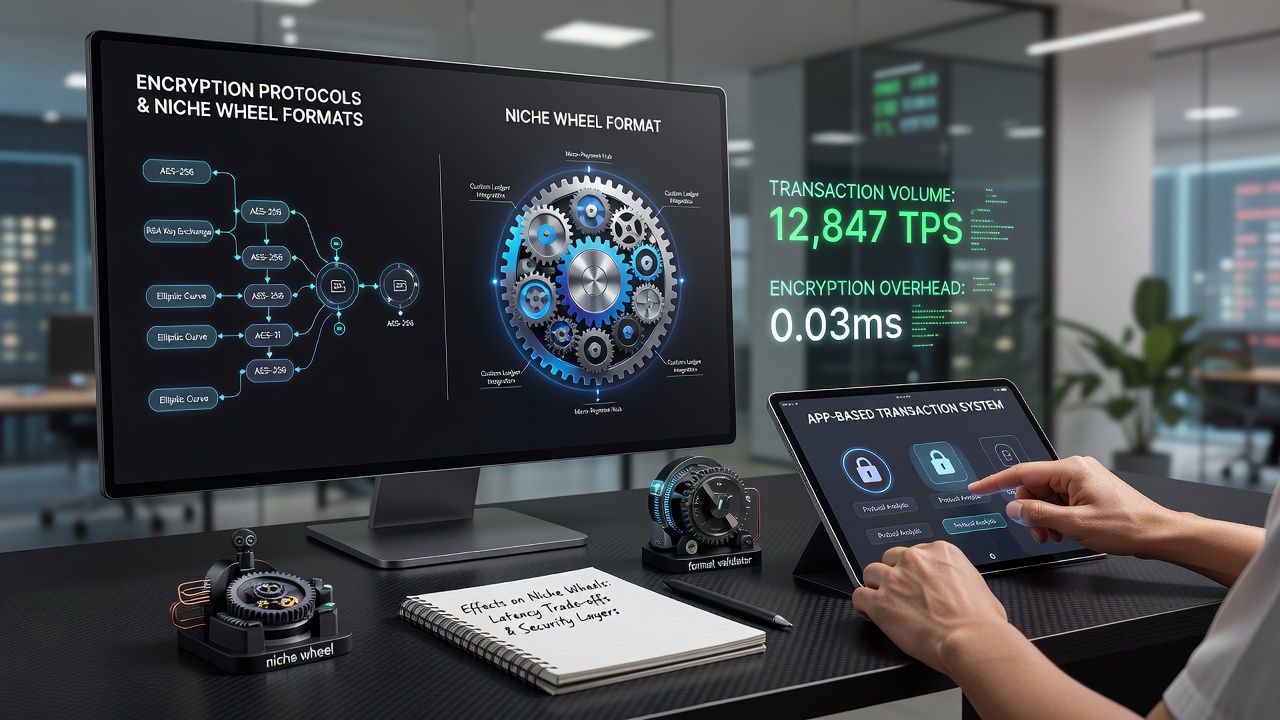
Examining Encryption Protocols and Their Effects on Niche Wheel Formats Within App-Based Transaction Systems
App-based transaction systems that handle payments for niche wheel formats such as multi-ball variants and accelerated spin tables rely on layered encryption protocols to protect data flows between users and operators. These protocols shape how quickly wheels load and how payments process during live sessions and they determine compatibility across different mobile devices and regional networks. Research from standards organizations shows that AES-256 encryption combined with TLS 1.3 forms the backbone of most current implementations and this combination secures transaction records while introducing measurable overhead in real-time environments.
Core Encryption Standards in Mobile Transaction Flows
Developers integrate symmetric ciphers like AES alongside asymmetric methods such as RSA or ECC to authenticate users and encrypt payment payloads before they reach central servers. Data from the National Institute of Standards and Technology indicates that AES remains the preferred choice for bulk data because it delivers strong security with lower computational demands than older alternatives and this matters when apps must render multiple wheel variants simultaneously. TLS handshakes establish secure channels and the protocol's evolution to version 1.3 has reduced latency by eliminating legacy negotiation steps that previously delayed initial connections in high-frequency betting apps.
Observers note that these standards interact directly with payment gateways used in app ecosystems and when a user places a stake on a niche wheel format the encrypted request travels through several verification layers before the wheel animation begins. Studies from the European Union Agency for Cybersecurity highlight how protocol selection influences both security posture and processing speed across European and North American markets and operators adjust cipher suites based on device capabilities to maintain consistent performance.
Performance Trade-offs for Niche Wheel Rendering
Niche wheel formats often demand precise timing for spin cycles and payout calculations and encryption adds processing steps that can affect frame rates on older hardware. Engineers have documented cases where TLS session resumption cuts reconnection times during rapid bet placements yet full re-handshakes still occur when network conditions change and this creates brief pauses visible in accelerated wheel displays. Battery drain becomes noticeable when apps maintain persistent encrypted connections and researchers at several technical institutes have measured increases of up to fifteen percent in power consumption during extended sessions that involve frequent small transactions.
Regional licensing rules further complicate protocol deployment because some jurisdictions require specific key lengths or additional audit trails and these mandates force developers to maintain multiple encryption configurations within the same codebase. One documented example involved an operator supporting both standard European wheels and custom Asian-market variants where the app switched cipher preferences dynamically based on user location data gathered during login.

Transaction Integrity and Format Accessibility
Encryption protocols also govern how transaction logs remain tamper-proof and this integrity matters when operators promote niche wheels through time-limited bonuses or region-specific jackpots. When payment data travels under strong encryption the risk of interception drops sharply and audit logs generated by these systems support compliance reporting required by gaming authorities in multiple countries. Industry reports compiled through 2026 show steady adoption of post-quantum resistant algorithms in pilot programs and these early tests focus on protecting long-term transaction records rather than real-time wheel interactions.
Payment method compatibility plays a direct role in which wheel formats reach users because certain mobile wallets enforce stricter certificate validation and this restricts access to variants that rely on rapid micro-transactions. Observers tracking app updates in July 2026 noted several platforms rolling out hybrid encryption modes that balance security requirements with smoother rendering for complex wheel layouts and these changes followed feedback from device manufacturers about thermal throttling during encrypted data bursts.
Regulatory and Technical Developments Through Mid-2026
Government agencies across North America and Asia-Pacific regions continue to refine guidance on cryptographic standards for gambling applications and these updates affect how quickly new wheel formats can launch in app stores. Operators must demonstrate that encryption meets or exceeds baseline requirements before receiving approval and this process sometimes delays the rollout of specialized variants that depend on low-latency transaction handling. Technical working groups within gaming associations have published interoperability guidelines that recommend consistent use of authenticated encryption modes and these recommendations help reduce fragmentation across different app ecosystems.
Case studies from operators managing both mainstream and niche wheels illustrate how protocol choices influence user retention and figures reveal higher completion rates for payment flows when TLS 1.3 and session caching are enabled. Developers continue testing lightweight cipher implementations that preserve security while minimizing impact on animation smoothness and battery life and these efforts align with broader industry shifts toward more efficient mobile architectures.
Conclusion
Encryption protocols serve as foundational elements within app-based transaction systems that support niche wheel formats and their configuration directly shapes performance, accessibility, and compliance outcomes. Standards bodies and regulatory agencies supply the frameworks that guide implementation while technical teams adjust protocols to match device constraints and regional rules. Continued evolution in cipher suites and handshake optimizations supports smoother integration of specialized wheel variants as transaction volumes grow through 2026 and beyond.