How Emerging Payment Technologies Expand Reach to Specialized Roulette Formats on Premier Platforms
Written by Morgan Hoffmann · Jul 29, 2026
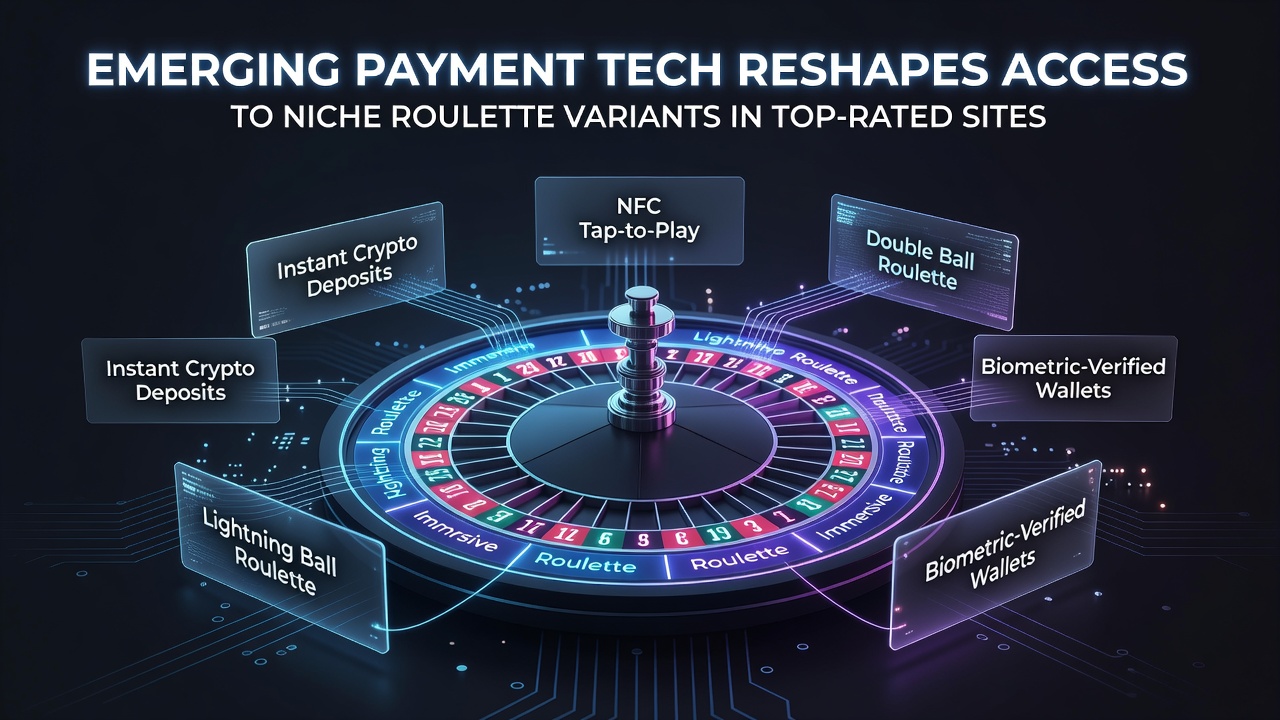
How Emerging Payment Technologies Expand Reach to Specialized Roulette Formats on Premier Platforms
Payment innovations continue to alter how players reach specialized roulette formats such as multi-wheel configurations, sector-based layouts, and limited-edition wheel variants on established online platforms, and data from industry tracking shows faster transaction processing correlates with broader variant availability in July 2026.
Payment Method Shifts and Platform Capabilities
Digital wallets and instant bank transfers now integrate directly with casino software, which allows operators to list additional roulette types without the delays once tied to traditional card processing, while observers note that sites using these systems report higher uptime for niche games that require precise bet tracking. Research from the American Gaming Association indicates that platforms adopting e-wallet solutions see a measurable increase in active variant listings, particularly for formats that demand rapid funding cycles to maintain session continuity.
These systems reduce settlement times from hours to seconds in many cases, and that speed lets operators rotate in lesser-known wheel types such as triple-zero experimental layouts or themed sector wheels during promotional windows without risking player drop-off due to funding friction.
Access Patterns Across Regional Markets
Players in jurisdictions with mature digital payment infrastructure gain entry to variants previously gated behind slower verification steps, and figures from regulatory filings reveal that adoption rates for instant payment rails climbed steadily through the first half of 2026. Those who track platform inventories find that top-rated sites now maintain separate categories for niche roulette options once reserved for high-volume markets, because low-friction deposits support smaller, more frequent wagers that suit experimental wheel mechanics.
Yet the pattern does not hold uniformly, since regions still reliant on legacy card networks show slower rollout of these specialized formats even when the underlying software supports them.
Operational Adjustments by Leading Sites

Operators adjust backend systems to pair emerging payment rails with game servers, which in turn permits real-time toggling between standard and niche roulette offerings based on player location and funding method, while data shows that platforms with seamless integration maintain longer average play sessions across variant types. Take one operator that linked its mobile wallet API to a multi-wheel roulette engine, and the result was expanded availability of that format in markets where instant deposits previously faced restrictions.
Industry reports further document that sites using these combined systems encounter fewer session interruptions, allowing them to promote limited-time roulette variants without the previous concern over payment processing lags that could cut short player engagement.
Regulatory Context in Mid-2026
Updates to digital finance rules in several jurisdictions during July 2026 have clarified how licensed platforms may route payments for gaming products, and these clarifications coincide with expanded listings of niche roulette variants on compliant sites, according to filings tracked by the European Gaming and Betting Association. The changes focus on transaction transparency rather than restricting game types, which means operators can introduce specialized wheels as long as payment trails meet audit standards.
Platforms that align their payment architecture with these requirements often unlock variant access for broader user bases, whereas those still navigating legacy compliance pathways continue to limit offerings to core roulette selections.
Technical Integration Factors
API connections between payment processors and game providers now support dynamic loading of roulette variants based on account funding status, and this technical layer reduces the friction that once kept certain wheel types behind geographic or deposit-method barriers. Observers tracking software updates note that platforms deploying these integrations in 2026 report smoother transitions when adding experimental formats such as variable-sector or accelerated-spin wheels.
Those integrations also enable operators to segment player traffic by payment preference, directing users toward variants optimized for their chosen rails without additional verification steps.
Conclusion
Emerging payment technologies continue to influence which roulette variants appear on top-rated sites by shortening funding cycles and tightening backend linkages, while data from mid-2026 illustrates measurable expansion in niche format availability wherever instant rails operate alongside compliant platforms. The pattern holds across multiple regions, driven by operational efficiencies rather than isolated policy shifts.