Mapping Algorithmic Designs to Regional Payment Options for Wheel Based Table Games in Regulated Mobile Markets
Written by Anna Neumann · Jul 27, 2026
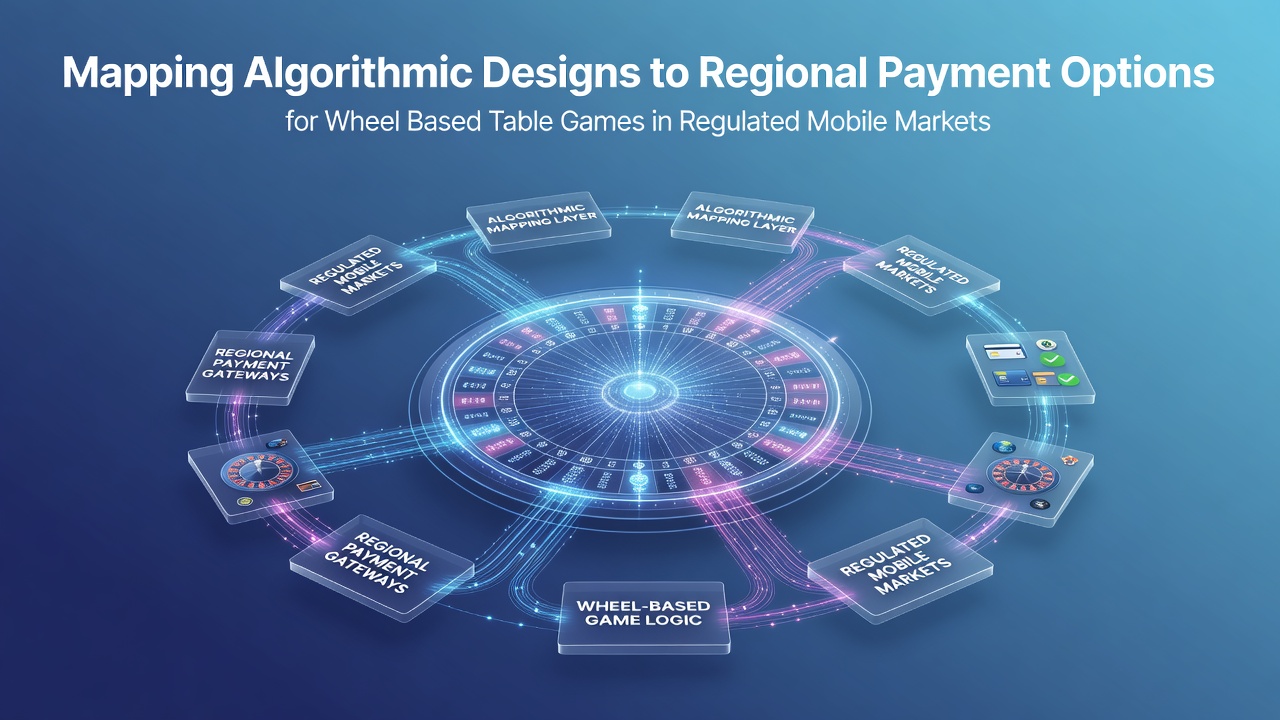
Mapping Algorithmic Designs to Regional Payment Options for Wheel Based Table Games in Regulated Mobile Markets
Wheel based table games such as roulette operate through complex algorithmic frameworks that determine outcome generation, random number distribution, and game flow mechanics, and these systems must align precisely with regional payment infrastructures in regulated mobile environments where licensing requirements dictate both technical and financial protocols.
Core Algorithmic Structures in Mobile Wheel Games
Developers design core algorithms around pseudorandom number generators that comply with certification standards issued by testing laboratories, while additional layers handle session management, bet resolution, and payout calculations that feed directly into payment gateways. Data shows these algorithms often incorporate modular components that allow reconfiguration for different jurisdictions, since mobile platforms must support variable transaction limits, currency conversions, and verification procedures required by local authorities.
One European research consortium documented how RNG seed initialization routines interface with secure payment APIs to prevent latency during live spins, and similar patterns appear in North American deployments where state-specific rules govern transaction speed and audit trails. Researchers discovered that separating the core game logic from the payment module enables quicker adaptation when regulators update mobile licensing conditions, which occurred across several markets in the first half of 2026.
Regional Payment Landscapes and Compliance Demands
European markets frequently require integration with SEPA instant transfers and local e-wallets that enforce strict anti-money laundering checks before any wheel game session begins, whereas North American frameworks emphasize state-level banking partnerships and real-time reporting to agencies such as the New Jersey Division of Gaming Enforcement. In Asia-Pacific jurisdictions operators connect algorithmic payout engines to domestic mobile banking systems that impose daily deposit caps tied to player verification tiers.
Technical Mapping Processes
Mapping begins with an audit of the wheel game's random sequence generator to confirm it produces payout distributions compatible with each region's allowed return-to-player ranges, after which developers embed API hooks that trigger payment authorization before the next spin cycle initiates. This approach reduces failed transactions and maintains continuous play sessions on mobile devices. Observers note that successful mappings also account for battery and network variability, since interrupted payments can trigger mandatory game state saves that must reconcile with both the algorithm and the financial ledger.

Engineers typically employ middleware layers that translate algorithmic events into standardized payment messages, and these layers support multiple protocols simultaneously so a single codebase serves operators across borders. Figures from industry reports indicate that middleware adoption rose notably between 2025 and mid-2026 as more jurisdictions opened mobile licensing rounds.
Case Examples Across Jurisdictions
In Ontario operators aligned roulette algorithms with the province's prescribed payment rails through the iGaming Ontario framework, allowing instant wallet funding that syncs with each spin's outcome calculation. Australian states implemented similar linkages via the Australian Communications and Media Authority guidelines, where algorithmic payout verification feeds directly into banking settlement systems. Canadian provincial regulators and European operators both reported reduced dispute rates after these mappings were completed because transaction records match game logs in real time.
One documented implementation in a Central European market demonstrated how an updated RNG module could reroute payout instructions through different processors depending on player location, and this flexibility proved essential when new mobile payment rules took effect in July 2026. Data from the European Gaming and Betting Association shows that markets adopting such dynamic mapping experienced fewer compliance interventions during the same period.
Challenges in Synchronization and Certification
Certification bodies require exhaustive testing of both the algorithmic core and the payment interface before any mobile release, which extends development timelines yet ensures that outcome fairness and financial integrity remain intact across regions. Latency introduced by certain payment networks can affect perceived game responsiveness, prompting developers to buffer spin results until payment confirmation arrives. Those who have examined these systems note that fallback mechanisms, such as queued transactions that resolve after connectivity returns, help maintain regulatory compliance without interrupting the user experience.
Conclusion
Effective mapping of algorithmic designs to regional payment options enables wheel based table games to operate seamlessly within regulated mobile markets by aligning technical randomness with financial protocols required in each jurisdiction. Continued evolution of these integrations supports broader access while satisfying the distinct rules that govern July 2026 and beyond.