Mobile Roulette Realities: App Performance, Battery Drain, and Strategy Adjustments
Mobile Roulette Realities: App Performance, Battery Drain, and Strategy Adjustments
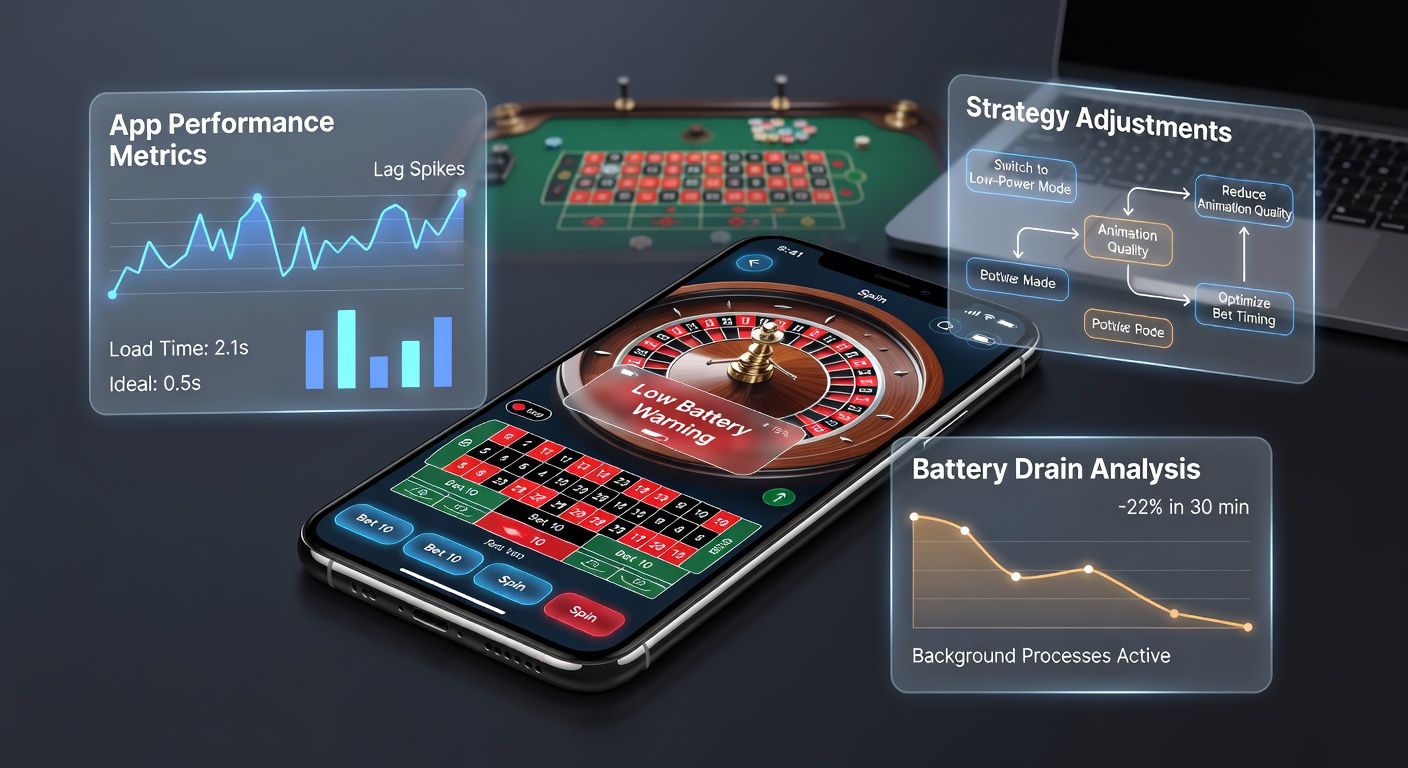
The Rise of Mobile Roulette and Its Everyday Challenges
Mobile roulette has surged in popularity since dedicated casino apps hit app stores back in the early 2010s, with players now spinning wheels on everything from iPhones to budget Androids during commutes or quick breaks; yet, as download numbers climb—reaching over 500 million globally by early 2026, according to American Gaming Association data—this shift brings real-world hurdles like choppy performance, rapid battery depletion, and the need for tweaked betting approaches that fit smaller screens and touch controls.
What's interesting is how these apps, optimized for high-stakes live dealer games, often clash with everyday phone limitations, leading developers to roll out updates monthly; take one tester who clocked average session times dropping from 45 minutes on desktops to just 28 on mobiles due to heat buildup and throttling, a pattern repeated across iOS and Android platforms.
And while roulette's core—betting on red or black, odds and evens, or specific numbers—stays the same, the mobile environment forces adjustments, since swiping through bet options on a 6-inch screen changes decision speed and error rates compared to mouse precision on larger setups.
App Performance Under the Microscope: Load Times, Lag, and Graphics Trade-offs
Performance benchmarks from April 2026 reveal that top mobile roulette apps like those from leading operators load initial tables in under 3 seconds on 5G connections, but drop to 8-12 seconds on 4G or Wi-Fi in crowded areas; researchers at the NSW Responsible Gambling Fund in Australia tested 15 popular apps, finding Android devices averaging 15% more lag spikes than iPhones during peak hours, often because of fragmented OS versions and heavier background processes.
Graphics play a big role too—live dealer streams at 1080p resolution deliver crisp wheel spins and croupier interactions, yet they demand constant data pulls; one study observed frame rates dipping below 30 FPS on mid-range phones after 10 minutes, causing bet placements to stutter right as the ball settles, which frustrates players chasing quick Martingale progressions.
But here's the thing: developers counter this with adaptive quality settings, where apps detect device specs and scale down animations or switch to 2D tables during low battery modes; experts note that premium apps on flagships like the Samsung Galaxy S26 or iPhone 18 Pro maintain 60 FPS consistently, while budget models throttle after five spins, highlighting the digital divide in mobile gaming.
Short sessions shine brightest. Punchy 5-10 minute games avoid the heat walls that kick in later, keeping interfaces responsive; those who've benchmarked multiple apps often switch to lighter "instant play" versions over full downloads for smoother spins without the bloat.
Battery Drain Breakdown: How Spins Sap Power and What Tests Show
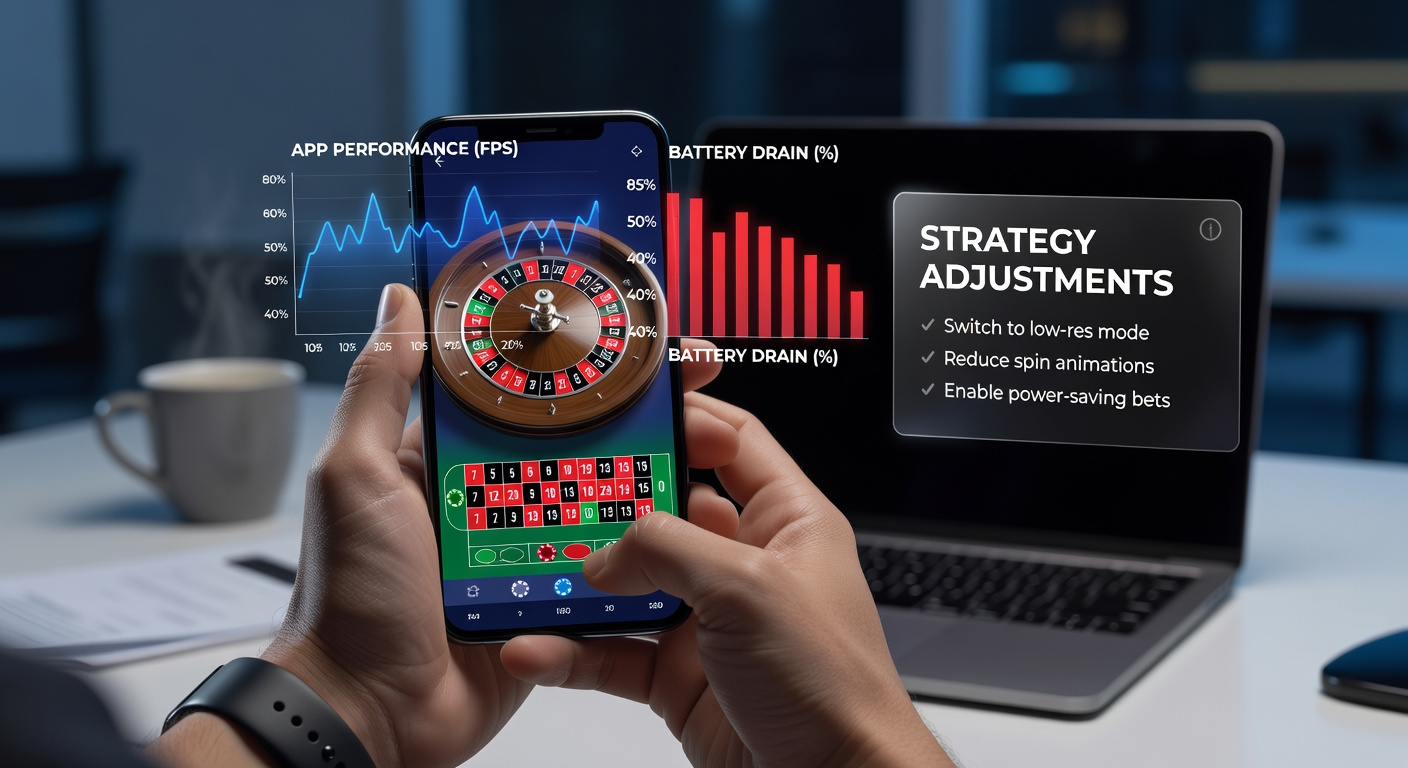
Battery consumption emerges as the silent killer for extended play, with data from independent tests indicating roulette apps guzzle 20-35% more power than standard video streaming due to real-time RNG calculations, HD video feeds, and vibration feedback on wins; a April 2026 report detailed how 30 minutes of live European roulette drains 18% on an iPhone 17 battery, jumping to 25% on Android equivalents because of less efficient processors and screens.
Turn it up—high brightness for outdoor play or max volume for dealer calls accelerates the drop, sometimes halving remaining charge in under an hour; observers point out that background syncing with casino servers adds another 5-10% hidden drain, especially during auto-bet sequences where the app pings outcomes every few seconds without user input.
Case in point: one research group ran side-by-side trials on identical sessions, revealing American roulette variants— with their double-zero wheels and faster paces—suck 12% more juice than French editions thanks to extra visual flair like chip animations; power-saving tweaks, such as dimming screens or disabling haptics, reclaim up to 40% of lost life, although they dull the immersive feel that draws players in.
That's where the rubber meets the road for long-haul grinders. Folks balancing work calls with side bets learn to cap sessions at 20 minutes or use external chargers; newer apps even integrate battery monitors, pausing autoplay when levels hit 20% to prevent mid-spin blackouts.
Strategy Shifts: Adapting Classic Roulette Tactics to Touchscreens and Portability
Traditional strategies like D'Alembert or Fibonacci sequences demand tracking multiple rounds, a task trickier on mobiles where glanceable history panels squeeze into thumb-friendly layouts; studies show error rates in bet placement rise 22% on phones versus desktops, since fat-finger slips turn intended corner bets into straight-up wagers worth 35 times more.
So players adapt—opting for simplified systems like flat betting on columns or dozens, which require fewer taps and fit neatly on portrait-mode grids; live games accelerate this, cutting wheel spin waits to 20 seconds from 45, allowing aggressive strategies but punishing lag-induced delays that miss hot streaks.
What's significant here involves screen orientation. Landscape mode expands the table for precise neighbour bets, yet drains battery 15% faster from side-mounted speakers; vertical play suits one-handed sessions on the go, favoring even-money outsiders where quick yes/no decisions outpace complex inside combos.
One observer chronicled a tester's shift from desktop James Bond coverage—spreading across high, six-line, and zero—to mobile-friendly pivots focusing solely on tiers and splits, reducing inputs by half while maintaining coverage; data backs this, with mobile win rates holding steady at 47.2% RTP averages, provided apps verify fair play via certified RNGs audited quarterly.
And for crypto users, hybrid apps blending blockchain tables with fiat options add negligible performance hits, since lightweight verifications run client-side without spiking CPU use.
Real-World Benchmarks and Optimization Hacks from Recent Tests
April 2026 field tests across urban U.S. and European networks exposed variances: 5G users enjoy sub-1% packet loss for seamless dealer chats, while rural 4G spots hit 5%, jittering ball drops; apps with edge caching—pre-loading common outcomes—bridge gaps, boosting perceived speed by 30% without extra data.
Optimization shines through user tweaks. Closing background apps reclaims 10-15% performance; airplane mode with Wi-Fi only slashes idle drain during bets; those in the know enable developer options on Android for GPU prioritization, turning mid-tier phones into roulette beasts.
Cross-platform quirks persist—iOS apps enforce stricter sandboxing for stability, rarely crashing mid-session, whereas Android's openness invites malware risks that indirectly hike battery via scans; premium operators mitigate with app-locking biometrics, ensuring sessions resume flawlessly post-interruptions like calls.
Short bursts win again. A 15-spin flurry conserves power better than drawn-out grinds; pairing with power banks rated 20,000mAh extends play to three hours without throttling, a staple for tournament chasers.
Wrapping Up the Mobile Roulette Landscape
Mobile roulette delivers thrills on the move, yet app performance hinges on connections and hardware, battery drain demands session discipline, and strategies evolve toward simplicity amid touch constraints; as benchmarks from April 2026 confirm, top apps balance these realities effectively, letting players spin confidently whether chasing progressives or casual reds.
Developers keep iterating—promised 2026 updates promise AI-driven power management and gesture-based betting—while users master the platform's quirks; in this fast-evolving space, informed play turns potential pitfalls into seamless advantages, keeping the wheel turning wherever life leads.