Payment Security Protocols and Their Quiet Role in Expanding Roulette Variant Access Across Mobile Platforms
Written by Morgan Hoffmann · Aug 12, 2026
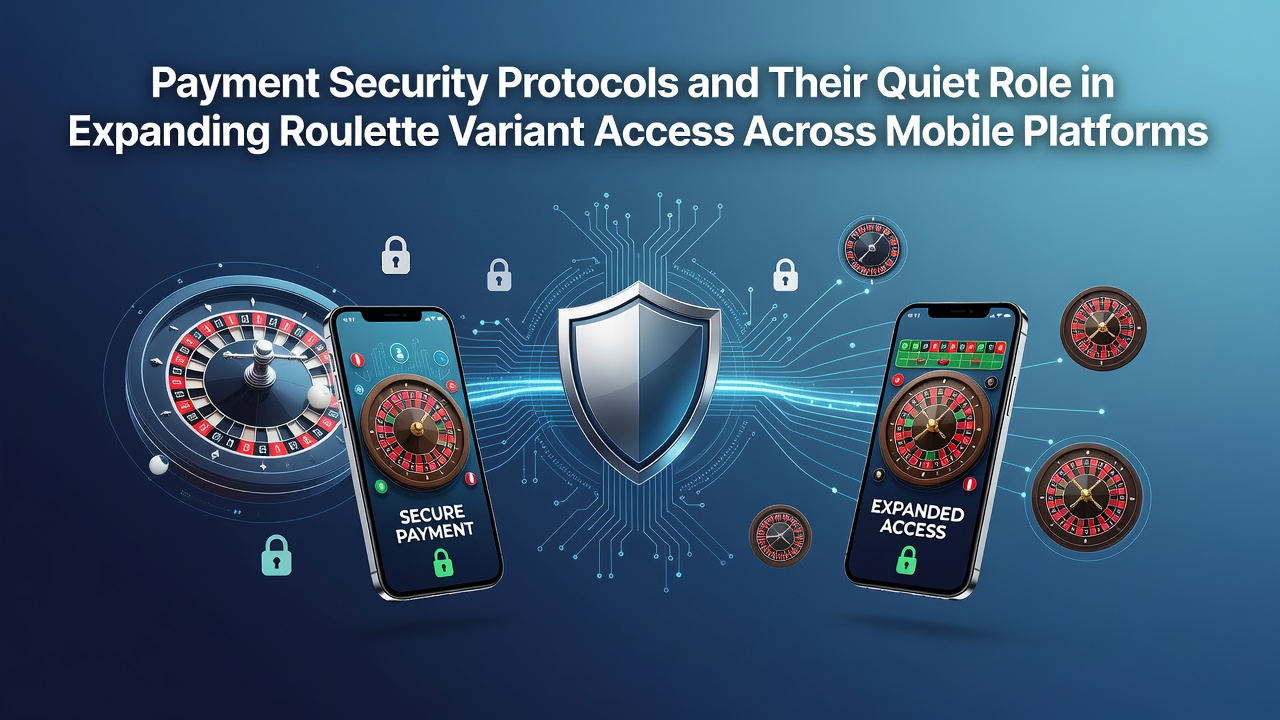
Payment Security Protocols Driving Roulette Variant Growth on Mobile Platforms
Payment security protocols have become central to how operators deliver diverse roulette options through mobile channels, and data from industry sources shows these measures support broader variant availability by establishing reliable transaction frameworks. Standards such as tokenization and end-to-end encryption protect user data during deposits and withdrawals, which in turn allows platforms to introduce European, American, and French roulette alongside live dealer formats without exposing systems to elevated risks. Regulatory bodies track these developments closely. The Malta Gaming Authority publishes guidelines that emphasize multi-factor authentication and PCI DSS compliance for mobile gaming operators, and these requirements have coincided with increased rollout of specialized roulette titles across European markets. Observers note that operators meeting these benchmarks gain approval to expand game libraries more rapidly, since secure payment rails reduce the likelihood of fraud-related disruptions that could limit new variant launches. Mobile platforms rely on additional layers including biometric verification and device fingerprinting, which integrate with payment gateways to verify transactions in real time. Research from the American Gaming Association indicates that mobile iGaming revenue in regulated U.S. states grew substantially through 2025 and into 2026, with payment security cited as a key enabler for offering region-specific roulette mechanics such as mini-games and speed variants. As of August 2026, several operators reported that upgraded security certifications allowed them to activate new mobile-exclusive roulette options in multiple jurisdictions simultaneously. Tokenization replaces sensitive card details with unique identifiers that expire after use, and this approach has gained traction because it limits exposure across repeated sessions common in mobile play. Industry reports show that platforms adopting tokenization experience fewer chargeback incidents, freeing resources to license and integrate additional roulette software variants that appeal to different player preferences. One case involved operators in New Jersey and Pennsylvania who expanded French roulette offerings after implementing these protocols, as the reduced fraud rates supported compliance with state-specific financial reporting mandates. American Gaming Association research further details how secure payment ecosystems intersect with mobile app development, noting that encryption standards must align with both operating system updates and gaming software requirements. This alignment permits developers to embed variant-specific features, such as adjustable betting limits or instant replay functions, while maintaining transaction integrity throughout the session. 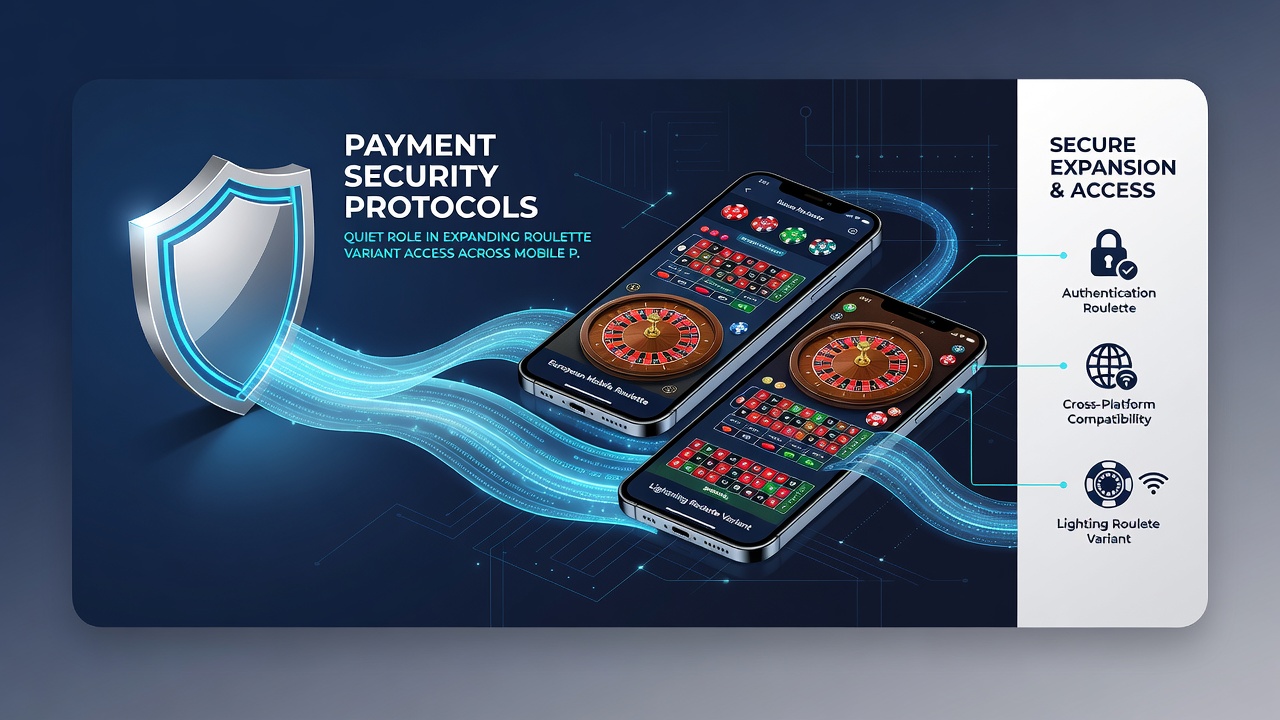 Geographic expansion follows similar patterns. In Australia, the Interactive Gambling Act and oversight from bodies like the Australian Communications and Media Authority require robust payment verification for licensed platforms, and operators that meet these benchmarks have introduced localized roulette variants including those with progressive jackpots tied to regional payment networks. Data indicates that such compliance correlates with higher download volumes for mobile apps offering multiple roulette styles, since players encounter fewer interruptions during funding steps. Payment security also influences promotional structures tied to roulette access. When protocols like 3D Secure 2.0 reduce declined transactions, operators allocate marketing budgets toward variant-specific bonuses rather than remediation efforts, and this shift appears in market analyses from 2025 onward. Researchers tracking mobile gaming trends have documented cases where enhanced security allowed simultaneous deployment of American roulette with double-zero layouts and European single-zero versions within the same app, targeting segmented user groups based on regional regulations. Academic examinations of digital payment infrastructure, including studies referenced by the University of Nevada's gaming research programs, highlight how layered authentication supports scalability. These analyses reveal that mobile operators using dynamic CVV generation and behavioral analytics can onboard users from diverse banking systems, thereby unlocking roulette variants that previously faced distribution barriers due to payment friction. The result includes wider availability of hybrid live and RNG roulette products that combine elements from multiple traditional formats. Yet challenges persist in maintaining uniform standards across borders. Different jurisdictions apply varying encryption thresholds, which sometimes delays variant releases until operators update their mobile payment stacks. Figures from European trade associations demonstrate that platforms resolving these inconsistencies through standardized protocols experience faster time-to-market for new roulette content, particularly on Android and iOS ecosystems where app store policies reinforce security audits. Cross-platform compatibility benefits from these advances as well. Secure sockets layer enhancements and application programming interfaces designed for financial services enable seamless transfers between desktop accounts and mobile sessions, preserving player progress across roulette variants. Industry data shows this continuity encourages sustained engagement with less common formats, such as those incorporating multi-wheel mechanics or themed bonus rounds, because transaction reliability remains consistent regardless of device. Conclusion
Payment security protocols continue to underpin the technical and regulatory conditions necessary for expanding roulette variant access on mobile platforms. By supporting fraud prevention, regulatory compliance, and efficient transaction processing, these systems facilitate operator decisions to license and deploy a wider array of game types while meeting evolving standards across regions.
Geographic expansion follows similar patterns. In Australia, the Interactive Gambling Act and oversight from bodies like the Australian Communications and Media Authority require robust payment verification for licensed platforms, and operators that meet these benchmarks have introduced localized roulette variants including those with progressive jackpots tied to regional payment networks. Data indicates that such compliance correlates with higher download volumes for mobile apps offering multiple roulette styles, since players encounter fewer interruptions during funding steps. Payment security also influences promotional structures tied to roulette access. When protocols like 3D Secure 2.0 reduce declined transactions, operators allocate marketing budgets toward variant-specific bonuses rather than remediation efforts, and this shift appears in market analyses from 2025 onward. Researchers tracking mobile gaming trends have documented cases where enhanced security allowed simultaneous deployment of American roulette with double-zero layouts and European single-zero versions within the same app, targeting segmented user groups based on regional regulations. Academic examinations of digital payment infrastructure, including studies referenced by the University of Nevada's gaming research programs, highlight how layered authentication supports scalability. These analyses reveal that mobile operators using dynamic CVV generation and behavioral analytics can onboard users from diverse banking systems, thereby unlocking roulette variants that previously faced distribution barriers due to payment friction. The result includes wider availability of hybrid live and RNG roulette products that combine elements from multiple traditional formats. Yet challenges persist in maintaining uniform standards across borders. Different jurisdictions apply varying encryption thresholds, which sometimes delays variant releases until operators update their mobile payment stacks. Figures from European trade associations demonstrate that platforms resolving these inconsistencies through standardized protocols experience faster time-to-market for new roulette content, particularly on Android and iOS ecosystems where app store policies reinforce security audits. Cross-platform compatibility benefits from these advances as well. Secure sockets layer enhancements and application programming interfaces designed for financial services enable seamless transfers between desktop accounts and mobile sessions, preserving player progress across roulette variants. Industry data shows this continuity encourages sustained engagement with less common formats, such as those incorporating multi-wheel mechanics or themed bonus rounds, because transaction reliability remains consistent regardless of device. Conclusion
Payment security protocols continue to underpin the technical and regulatory conditions necessary for expanding roulette variant access on mobile platforms. By supporting fraud prevention, regulatory compliance, and efficient transaction processing, these systems facilitate operator decisions to license and deploy a wider array of game types while meeting evolving standards across regions.
Payment security protocols have become central to how operators deliver diverse roulette options through mobile channels, and data from industry sources shows these measures support broader variant availability by establishing reliable transaction frameworks. Standards such as tokenization and end-to-end encryption protect user data during deposits and withdrawals, which in turn allows platforms to introduce European, American, and French roulette alongside live dealer formats without exposing systems to elevated risks. Regulatory bodies track these developments closely. The Malta Gaming Authority publishes guidelines that emphasize multi-factor authentication and PCI DSS compliance for mobile gaming operators, and these requirements have coincided with increased rollout of specialized roulette titles across European markets. Observers note that operators meeting these benchmarks gain approval to expand game libraries more rapidly, since secure payment rails reduce the likelihood of fraud-related disruptions that could limit new variant launches. Mobile platforms rely on additional layers including biometric verification and device fingerprinting, which integrate with payment gateways to verify transactions in real time. Research from the American Gaming Association indicates that mobile iGaming revenue in regulated U.S. states grew substantially through 2025 and into 2026, with payment security cited as a key enabler for offering region-specific roulette mechanics such as mini-games and speed variants. As of August 2026, several operators reported that upgraded security certifications allowed them to activate new mobile-exclusive roulette options in multiple jurisdictions simultaneously. Tokenization replaces sensitive card details with unique identifiers that expire after use, and this approach has gained traction because it limits exposure across repeated sessions common in mobile play. Industry reports show that platforms adopting tokenization experience fewer chargeback incidents, freeing resources to license and integrate additional roulette software variants that appeal to different player preferences. One case involved operators in New Jersey and Pennsylvania who expanded French roulette offerings after implementing these protocols, as the reduced fraud rates supported compliance with state-specific financial reporting mandates. American Gaming Association research further details how secure payment ecosystems intersect with mobile app development, noting that encryption standards must align with both operating system updates and gaming software requirements. This alignment permits developers to embed variant-specific features, such as adjustable betting limits or instant replay functions, while maintaining transaction integrity throughout the session.
Geographic expansion follows similar patterns. In Australia, the Interactive Gambling Act and oversight from bodies like the Australian Communications and Media Authority require robust payment verification for licensed platforms, and operators that meet these benchmarks have introduced localized roulette variants including those with progressive jackpots tied to regional payment networks. Data indicates that such compliance correlates with higher download volumes for mobile apps offering multiple roulette styles, since players encounter fewer interruptions during funding steps. Payment security also influences promotional structures tied to roulette access. When protocols like 3D Secure 2.0 reduce declined transactions, operators allocate marketing budgets toward variant-specific bonuses rather than remediation efforts, and this shift appears in market analyses from 2025 onward. Researchers tracking mobile gaming trends have documented cases where enhanced security allowed simultaneous deployment of American roulette with double-zero layouts and European single-zero versions within the same app, targeting segmented user groups based on regional regulations. Academic examinations of digital payment infrastructure, including studies referenced by the University of Nevada's gaming research programs, highlight how layered authentication supports scalability. These analyses reveal that mobile operators using dynamic CVV generation and behavioral analytics can onboard users from diverse banking systems, thereby unlocking roulette variants that previously faced distribution barriers due to payment friction. The result includes wider availability of hybrid live and RNG roulette products that combine elements from multiple traditional formats. Yet challenges persist in maintaining uniform standards across borders. Different jurisdictions apply varying encryption thresholds, which sometimes delays variant releases until operators update their mobile payment stacks. Figures from European trade associations demonstrate that platforms resolving these inconsistencies through standardized protocols experience faster time-to-market for new roulette content, particularly on Android and iOS ecosystems where app store policies reinforce security audits. Cross-platform compatibility benefits from these advances as well. Secure sockets layer enhancements and application programming interfaces designed for financial services enable seamless transfers between desktop accounts and mobile sessions, preserving player progress across roulette variants. Industry data shows this continuity encourages sustained engagement with less common formats, such as those incorporating multi-wheel mechanics or themed bonus rounds, because transaction reliability remains consistent regardless of device. Conclusion
Payment security protocols continue to underpin the technical and regulatory conditions necessary for expanding roulette variant access on mobile platforms. By supporting fraud prevention, regulatory compliance, and efficient transaction processing, these systems facilitate operator decisions to license and deploy a wider array of game types while meeting evolving standards across regions.