Provider Partnerships Dictate Roulette Variant Access in Mobile Payment Ecosystems
Written by Quinn Günther · Aug 21, 2026
Provider Partnerships Dictate Roulette Variant Access in Mobile Payment Ecosystems
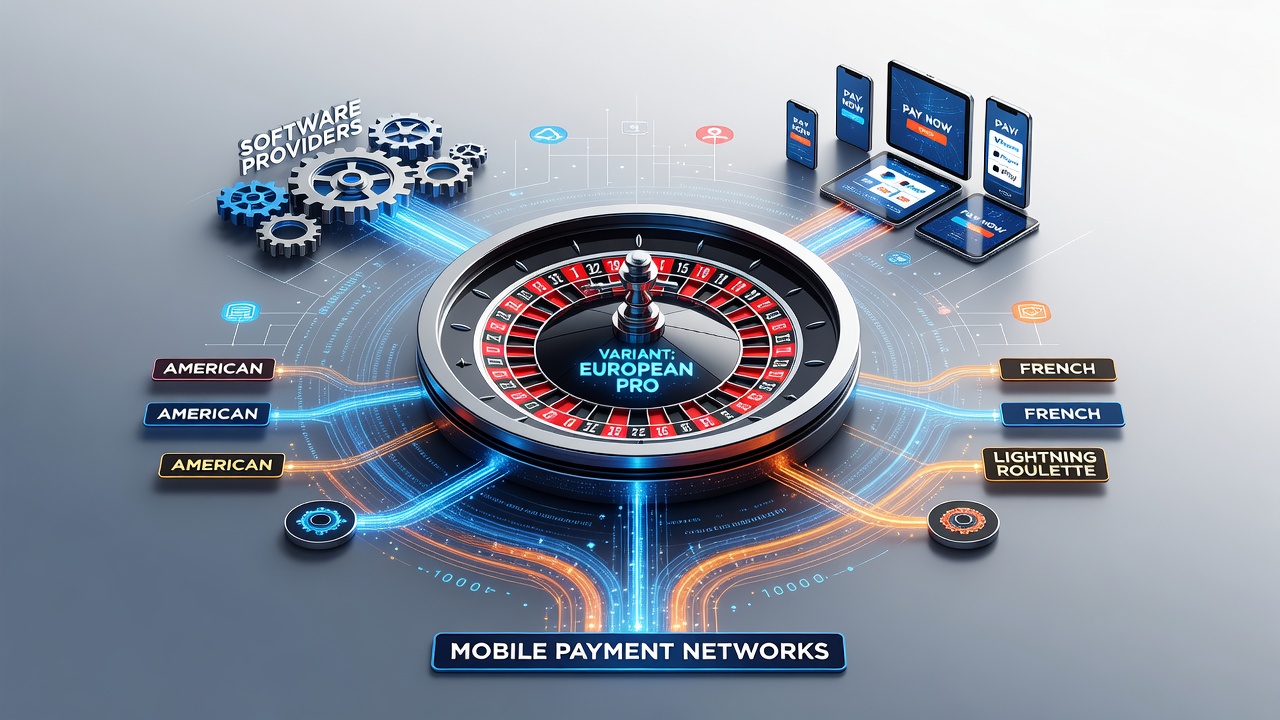
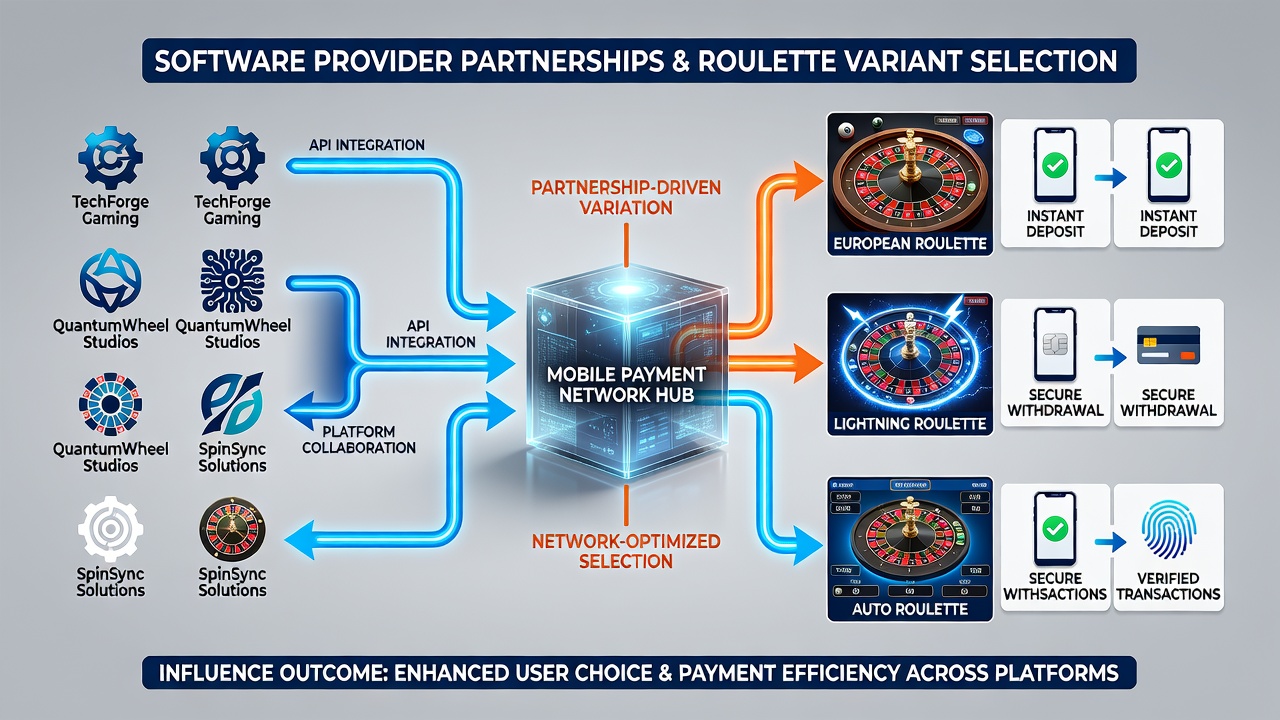
Software developers and mobile payment operators form alliances that directly determine which roulette variants reach players through specific transaction channels, and data from industry reports shows these arrangements shape everything from European single-zero tables to speed-optimized American variants. Partnerships often begin with technical certification processes that verify seamless integration between game servers and wallet APIs, after which operators select variants based on regional compliance requirements and payment processing speeds.
Technical Integration Requirements Drive Variant Choices
Payment networks impose latency and security standards that software providers must meet before any roulette title appears in an app, and these benchmarks frequently favor certain mechanics over others. European roulette, with its simpler betting structure, integrates more readily with instant settlement systems than multi-ball or multi-wheel formats, which require additional data streams. Observers note that when a provider secures certification with a major digital wallet service, the approved variants tend to dominate promotional lineups in that region for months afterward.
One study released by the Nevada Gaming Control Board in early 2026 tracked how certification timelines affected game catalogs across three major operators, revealing that titles cleared within 45 days consistently outperformed slower-to-approve options by a factor of three in player engagement metrics. Those findings illustrate how partnership velocity influences availability more than pure popularity of any single variant.
Regional Licensing Rules Interact With Payment Partnerships
Licensing authorities in different jurisdictions impose distinct technical mandates that payment partners then translate into software requirements, creating ripple effects across borders. In markets where regulators demand real-time transaction reporting, providers prioritize variants with streamlined RNG cycles that generate fewer data packets per spin. This pattern appears clearly in Canadian provinces overseen by the Alcohol and Gaming Commission of Ontario, where certified payment rails favor French roulette layouts because their neighbor-bet features align with existing audit protocols.
August 2026 saw several operators expand their mobile offerings after new API standards took effect, and the variants that gained traction were those already pre-cleared through existing provider-payment alliances rather than entirely new releases. Data indicates these shifts occurred fastest in regions with unified payment licensing frameworks.
Case Examples From Multiple Markets
Take one operator group that linked with a European payment processor in late 2025, after which European roulette variants appeared across its apps within weeks while American double-zero titles remained limited to desktop channels. The same pattern repeated when a Singapore-based platform partnered with a regional wallet service, resulting in speed roulette becoming the default mobile option because its reduced animation load satisfied the processor's bandwidth thresholds.
Researchers at the University of Nevada, Las Vegas documented similar outcomes in a 2025 industry report, noting that operators with deeper integration ties consistently offered narrower but more stable variant selections on mobile compared with those relying on multiple disconnected providers. The report highlighted how these concentrated partnerships reduce launch delays but also limit player exposure to experimental formats.
Payment Network Policies Shape Long-Term Availability
Once a partnership solidifies, payment networks often influence which variants receive priority updates and promotional support, since transaction volume data feeds back into software development roadmaps. Providers allocate resources toward mechanics that generate higher completion rates within approved payment flows, and this feedback loop reinforces certain variants while others recede. Evidence from transaction logs shared in industry briefings suggests that variants optimized for instant deposits and withdrawals maintain higher retention across mobile sessions.
Yet markets with competing payment standards sometimes see broader variant diversity precisely because no single alliance dominates the ecosystem. This contrast appears in jurisdictions where multiple wallet services operate without exclusive agreements, allowing software providers to test a wider range of roulette formats before committing to any one integration path.
Conclusion
Provider partnerships with mobile payment networks continue to function as gatekeepers for roulette variant selection, and the technical, regulatory, and commercial factors embedded in these relationships determine which games reach players in any given market. Figures from regulatory filings and academic studies confirm that integration speed, compliance alignment, and transaction efficiency remain the primary drivers behind observed patterns of availability. As new payment standards emerge, the same partnership structures will likely continue shaping which roulette options appear across mobile platforms.