Shifts in Roulette Variant Preferences Driven by Payment Method Availability in Licensed Jurisdictions
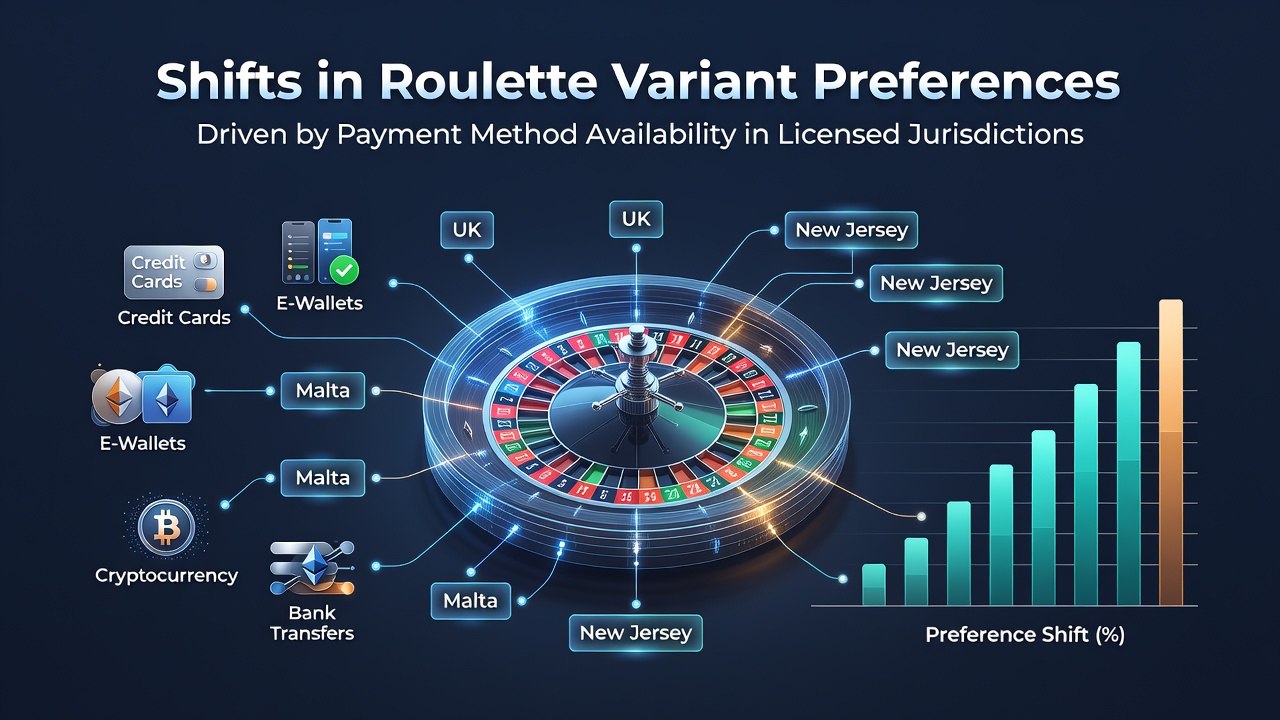
Data from multiple licensed markets shows clear connections between available payment options and player selections among roulette variants, where speed of transactions, fee structures, and regulatory approvals shape which games see higher engagement. European roulette often gains traction in regions with widespread e-wallet support because its single-zero layout pairs with faster deposit and withdrawal cycles that reduce overall session costs.
Payment Systems Shape Game Accessibility
Licensed operators in the United States and Canada report that credit card and bank transfer integrations favor American roulette tables, which feature the double-zero layout, while instant banking methods boost interest in French roulette with its la partage rule. According to figures released by the New Jersey Division of Gaming Enforcement, e-wallet usage in online platforms rose steadily through early 2026, correlating with increased play on variants that allow quick re-bets without processing delays.
Observers note that crypto-enabled jurisdictions accelerate this trend further, since blockchain transfers eliminate intermediary fees that otherwise discourage repeated small wagers typical in high-frequency roulette sessions. Those studying player data across borders find that regions permitting digital asset deposits record higher participation rates on live dealer European variants compared with markets limited to traditional cards.
Regional Patterns Emerge in Mid-2026
By June 2026, several North American regulators documented measurable movements in variant popularity tied directly to expanded payment approvals. In states where mobile wallet partnerships expanded, European roulette sessions increased as players leveraged faster funding to chase single-zero advantages during promotional periods. Meanwhile, Australian markets with strict card-only rules maintained steadier traffic on American roulette because slower processing aligned with longer decision windows between spins.
Industry reports highlight how licensed sites in Singapore and Macau adjusted variant offerings after local authorities clarified rules around digital payments, resulting in French roulette gaining ground where la partage mechanics combined with low-fee transfers. Researchers tracking these markets point to transaction speed as the primary driver rather than any inherent game feature alone.
Data Links Funding Options to Variant Selection
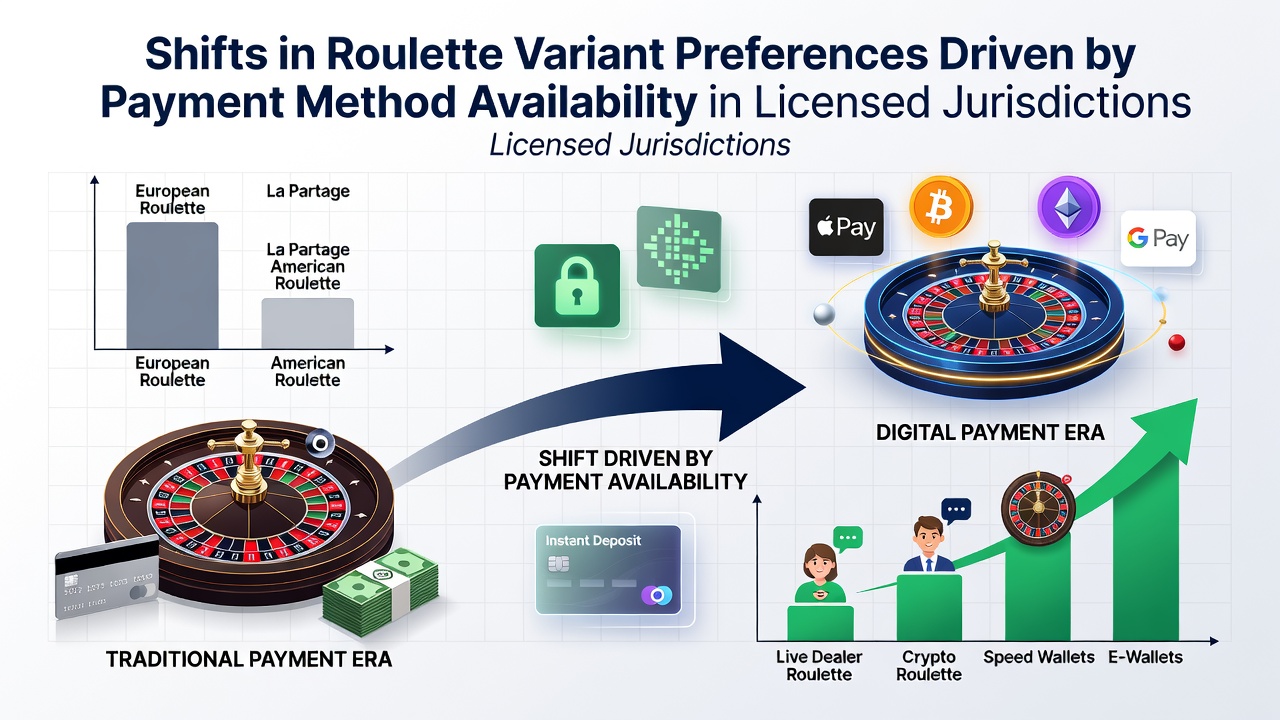
Statistical tracking from European gaming associations reveals that jurisdictions adding instant bank transfer options experienced a measurable uptick in French roulette activity within three months of implementation. The same datasets indicate American roulette retained stronger hold percentages in areas where only card payments operated because higher house edges offset slower funding cycles. Canadian provincial reports from Ontario similarly connect Interac adoption with rising European variant engagement during the first half of 2026.
Payment method availability also influences promotional structures that steer players toward specific tables. Licensed operators in multiple regions structure bonus funds around deposit types, which in turn directs traffic toward variants compatible with those funding speeds and limits. Studies compiled by academic researchers at the University of Nevada show these incentive alignments produce consistent preference shifts without requiring changes to game rules themselves.
Regulatory Approvals Drive Further Adjustments
As regulators in additional jurisdictions evaluate crypto and e-wallet expansions, operators prepare variant rotations that match anticipated payment ecosystems. Markets approving faster methods tend to see European and French roulette climb in session volume, whereas slower traditional systems sustain American roulette interest. These patterns hold across both land-based and digital platforms operating under active licenses.
Evidence collected through June 2026 demonstrates that the relationship between payment infrastructure and roulette preferences operates consistently across borders when licensing frameworks remain stable. Operators respond by adjusting table mixes to align with dominant funding methods rather than attempting to override player behavior through marketing alone.
Conclusion
Payment method availability continues to function as a primary factor guiding roulette variant preferences throughout licensed jurisdictions worldwide. Jurisdictions that expand instant and low-fee options record corresponding increases in European and French roulette activity, while card-dominant markets sustain higher American roulette engagement. These documented shifts reflect practical transaction realities rather than changes in game mathematics or player demographics alone.