The Subtle Effects of Roulette Variants on Bonus Structures Within Rated Casino Apps
Written by Viktor Long · Jul 24, 2026

The Subtle Effects of Roulette Variants on Bonus Structures Within Rated Casino Apps
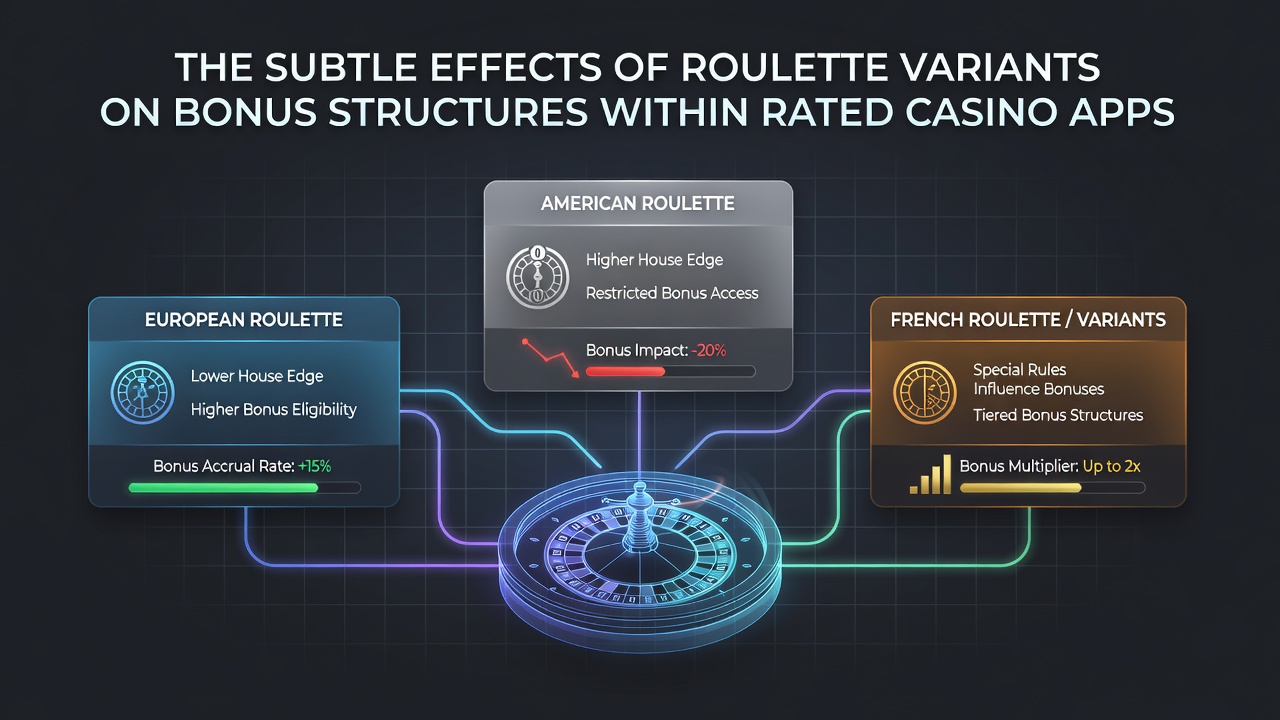
Experts tracking mobile gambling platforms note that roulette variants create distinct patterns in how operators structure bonuses within rated casino apps, and these patterns emerge most clearly when developers adjust wagering requirements based on house edge differences. European roulette with its single zero often receives more favorable contribution rates toward bonus clearing compared to American roulette which carries a double zero, while French roulette variants incorporate rules such as la partage that further shift how bonus funds apply across deposit match offers and cashback programs.
Variant Differences and Their Reach Into Bonus Design
Researchers examining app data from multiple jurisdictions observe that European roulette titles typically contribute 70 to 100 percent toward wagering requirements in rated casino apps, whereas American versions frequently drop to 50 percent or lower because of the elevated house edge. This adjustment appears in promotional terms released during the first half of 2026, when several major platforms updated their bonus structures following software certification updates. Observers note that French roulette, which includes en prison and la partage options, sometimes earns partial exemptions from maximum bet restrictions during bonus play periods, allowing players to place larger wagers without triggering additional verification steps.
Data from state gaming reports indicates these contribution tiers directly influence how quickly users clear playthrough targets. One analysis of app performance metrics released in July 2026 showed that users selecting European roulette cleared welcome bonuses an average of 12 percent faster than those using American variants under identical wagering conditions. Rated casino apps incorporate these distinctions into their internal algorithms so that bonus balances adjust automatically when players switch between game types mid-session.
Payment Integration and Regional Licensing Effects
App developers align bonus structures with regional licensing frameworks, which creates further variation across roulette offerings. In markets where regulators require detailed game contribution disclosures, operators publish exact percentages for each variant within the app's terms section. This practice became more standardized after several jurisdictions updated their reporting standards in early 2026. Those who study these systems find that apps rated highly for transparency tend to apply higher contribution rates to lower-edge variants, encouraging players to select European or French options when working through bonus funds.
Payment method choices interact with these structures as well. Apps that support instant withdrawal options often tie bonus release timelines to the specific roulette variant selected during the wagering period. For instance, certain platforms require players using cryptocurrency deposits to complete a higher percentage of wagering on American roulette before unlocking funds, while European roulette sessions count toward quicker release thresholds. Industry reports from the New Jersey Division of Gaming Enforcement document these configurations across multiple licensed operators.
Algorithmic Adjustments in Rated Platforms
Software providers embed subtle coding differences that affect how bonus meters register activity across roulette variants. Rated casino apps evaluate these algorithms during their review processes, and the resulting scores influence which titles receive prominent placement in promotional carousels. Studies conducted by academic researchers at the University of Nevada, Las Vegas highlight that variants with built-in statistical safeguards, such as those enforcing single-zero wheels, receive more favorable algorithmic weighting in bonus distribution systems. This weighting appears in the form of accelerated progress toward cashout eligibility when players remain on lower-edge games for extended periods.
App rating organizations track these algorithmic behaviors through user session data, and their published scores often reflect how cleanly each variant integrates with existing bonus frameworks. Operators respond by adjusting maximum stake limits during bonus play, setting tighter caps on American roulette to offset its statistical profile while allowing broader flexibility on European and French versions. These adjustments maintain compliance with licensing conditions across different regions.
Player Behavior Patterns and App Responses
Analytics from rated casino apps reveal consistent player migration toward variants that align better with bonus terms. Sessions logged in July 2026 showed increased selection of French roulette when cashback promotions were active, because the la partage rule reduces effective loss rates and speeds progress toward release conditions. Developers have incorporated these patterns into app interfaces by displaying contribution percentages directly on game selection screens, allowing users to compare variants before committing bonus funds.
Regulatory updates in multiple jurisdictions now require apps to maintain visible logs of how each roulette type affects bonus balances. This requirement stems from broader efforts to standardize player information across platforms. Those monitoring compliance note that highly rated apps already exceed these minimum standards by providing real-time breakdowns of wagering progress segmented by game variant.
Conclusion
Roulette variants continue to shape bonus structures in rated casino apps through contribution rates, stake limits, and algorithmic weighting that reflect each game's statistical profile. Operators adjust these elements in response to licensing requirements and performance data, while players encounter the results through varying progress speeds toward bonus release. Reports from sources such as the Nevada Gaming Control Board and research conducted at the University of Nevada, Las Vegas document these interactions across current app ecosystems. The patterns established through mid-2026 indicate that variant selection will remain a key factor in how bonus systems function within mobile gambling platforms.